
Do you write stories? Searching for tips to help improve your fiction? To support your writing practice, we took a look at nonfiction books on DriveThruFiction.com that will help you worldbuild, tell spooky stories, address common issues in science fiction and fantasy, manage your writing career, and more! Here are eight recommendations penned by a variety of wonderful writers that are both affordable and great how-to guides to build your reference library!
1. KOBOLD Guide to Worldbuilding: Roleplaying games and fantasy fiction are filled with rich and fascinating worlds: the Forgotten Realms, Glorantha, Narnia, R’lyeh, Middle-Earth, Barsoom, and so many more. Learn the secrets of designing a pantheon, creating a setting that provokes conflict, determining which historical details are necessary, and so much more. Even take that creative leap—and create dazzling worlds of your own!
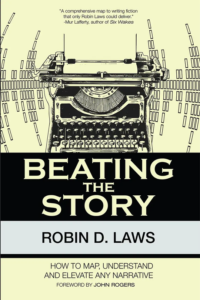 2. Beating the Story: How to Map, Understand, and Elevate Any Narrative: The most compelling stories move us emotionally. Up and down, between hope and fear, in ways we don’t always expect—but that you can harness as a writer, editor, and critic. This book shows you how to track, map, and understand the rhythm of a story. Whether you’re writing or rewriting, editing a manuscript or dismantling your favorite television episode, Beating the Story helps you understand how stories get hammered into shape.
3. KOBOLD Guide to Monsters: Classic monsters can get stale, and Game Masters often need to generate their own monstrosities to properly challenge players. But conceptualizing, creating, and using monsters is no easy feat for any Game Master—and that’s where this book comes in. In these pages, 15 of the brightest stars in the gaming industry share their wisdom for conceptualizing, developing, and maximizing the “Wow!” factor of monsters. Step by step, the writers show how to think up a new idea—or modify an existing one—then refine and test the design and get the absolute most out of the creature.
4. Tomorrow’s Language: From the World Fantasy Award-winning author Helen Marshall comes a collection of critical works focused on the evolution of writing, horror, and the weird tale. Within this volume you’ll find an interrogation of the radical poetics of M. John Harrison’s worldbuilding, deep dives into the works of Stephen King and Kelly Link, and a meditation on the need for new and evolving language to describe weird times. You’ll also find Marshall’s extraordinary story, Survival Strategies, accompanied by an extended commentary that unearths its hidden depths and utilization of the uncanny.
5. Terra Incognito: A Guide to Building the Worlds of Your Imagination: In Terra Incognito, White outlines the detailed steps by which writers can create the sort of countries, populations, governments, and militaries that are essential for building a three-dimensional fantasy world that will engage readers. You’ll learn how to avoid the pitfalls of naming characters, regions, and countries, apply the technique of “outside in” to develop and then refine ideas for your world, create a world your readers can relate to, regardless of its technological levels, and more!
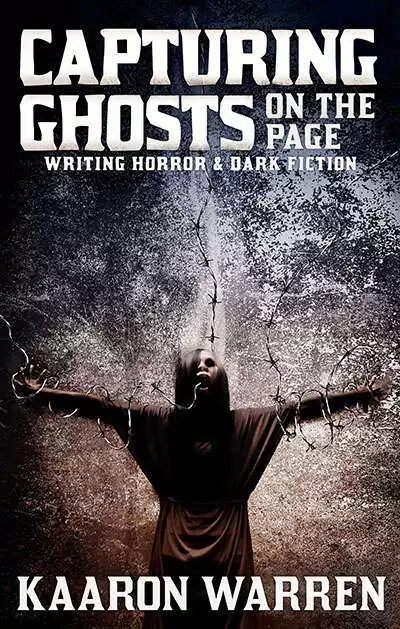 6. Capturing Ghosts On The Page: Writing Horror & Dark Fiction: “Don’t write merely to shock. People are used to shock-horror. You need to get beneath the skin. Use a flensing knife and keep it sharp. It’s good to shock, but only as part of the story you tell.” Shirley Jackson Award-winning writer, Kaaron Warren explores the craft and philosophy of trapping dark and disturbing fiction on the page. Drawn from essays, workshops, and articles about the craft and business of writing, Capturing Ghosts On The Page features Warren’s tips on writing ghost stories, overcoming professional jealousy, working to an anthology brief, tapping your dreams for inspiration, and more.
7. You Are Not Your Writing & Other Sage Advice: In these essays, Angela Slatter—the World Fantasy Award-winning author of the Sourdough Stories, the Verity Fassbinder Series, and more—explores the relationship between the writer, their work, and the publishing industry they inhabit. Drawn from twelve years of author presentations, keynote speeches, blog posts, and articles aimed at aspiring and established professionals, You Are Not Your Writing features Slatter’s best advice on managing social media, understanding the role awards play in your developing career, the hierarchy of rejection, and strategically building your career and network of other writers.
8. Writing Fantasy and Science Fiction: Although the problems of writing fantasy and science fiction include all those pertaining to the writing of any kind of fiction, particular problems arise in stories in which unprecedented things can and do happen, as well as stories that often involve inhuman characters of various sorts, and that might require the elaborate design of entire imaginary worlds. This book provides strategies to help you write compelling science fiction and fantasy stories.
This post contains Roll20 affiliate links.
Leave a Reply